
When to Stop DIYing Your Website and Hire a Professional Web Designer
DIY website builders have made it easier than ever for small business owners to get online quickly and affordably. And for a lot of businesses, that’s exactly the right place to start. But there comes a point where your DIY site stops being a launchpad and starts being a ceiling, and knowing when you’ve hit that point can be the difference between staying stuck and actually growing. Here’s how to tell which side of that line you’re on.

First of all, there is nothing wrong with starting with a DIY website.
Squarespace, Wix, and similar platforms have genuinely leveled the playing field for small business owners. They’re affordable, fast to set up, and for a brand-new business still figuring out its direction, they do the job. I’ve seen plenty of businesses launch on a DIY site and do well with it. At least in the beginning.
But “good enough to start” and “good enough to grow” are two very different things. And in my experience working with small business owners over the past 10+ years, the moment those two things diverge is almost always the same moment: when your business has outgrown what a template can do for it.
When a DIY Website Makes Complete Sense
Before we talk about when to make the switch, it’s worth being honest about when DIY is genuinely the right call. Because sometimes it is.
A DIY site is a smart choice when:
You’re in your first year of business and still testing your offer, your audience, or your pricing
Your budget needs to go toward other essentials…stock, equipment, training, or simply keeping the lights on
You’re not yet generating consistent revenue and a professional site isn’t the bottleneck
You need something online quickly to establish a basic presence while you build momentum
Your business is simple, your offer is clear, and your clients find you mostly through referrals or word of mouth
In these situations, a clean DIY site is enough. Get it done, get it live, and focus your energy on delivering great work and building your reputation. The website can grow with you.
The key word there is “grow.” Because at some point, it needs to.
Signs You’ve Outgrown Your DIY Website
This is where most business owners get stuck. The DIY site served its purpose, but somewhere along the way it quietly started costing more than it was saving. Here are the signs I see most often:
1. You’re embarrassed to share your website URL
If you hesitate before handing over your web address, in a meeting, on a proposal, in an email signature. That hesitation is telling you something. Your website is often the first impression a potential client gets of your business. If it doesn’t reflect the quality of your work, it’s working against you before you’ve even had a conversation.
2. You’re getting traffic but no inquiries
Visitors are landing on your site but not doing anything. No contact form submissions, no calls, no bookings. This is usually a messaging and conversion problem. The kind that’s very hard to solve within the constraints of a DIY template. A professional designer doesn’t just make things look better; they structure your site to move people toward action.
3. You’re attracting the wrong clients
If you keep hearing from people who aren’t a good fit (wrong budget, wrong expectations, wrong type of project) your website is probably speaking to the wrong audience. A well-built site doesn’t just attract more people; it attracts the right people.
4. You’ve raised your prices but your site still looks entry-level
This is one of the most common disconnects I see. A business owner has leveled up (their skills, their results, their confidence, their pricing) but their website is still stuck at year one. When your site doesn’t match where you are now, it creates doubt in potential clients that your prices are justified.
5. You’re spending hours trying to make it work
DIY platforms promise simplicity, but once you start trying to customize beyond the template, you can easily lose hours to tweaks that still don’t look right. Every hour you spend wrestling with your website is an hour you’re not spending on your actual business.
6. Your business has evolved but your site hasn’t
You’ve added services, refined your niche, or pivoted your offer, but your website still reflects who you were twelve months ago. A patched-up DIY site rarely communicates a clear, cohesive story. And a confused visitor is a lost client.
What the Switch Actually Looks Like
I’ve worked with a lot of business owners who started on DIY platforms and eventually made the move to a professionally designed site. The pattern is almost always the same: DIY got them started, but it was holding them back from the next level of growth.
Here are a couple of examples:
When Referrals Are Working But Your Website Isn't: A Bookkeeper's Story
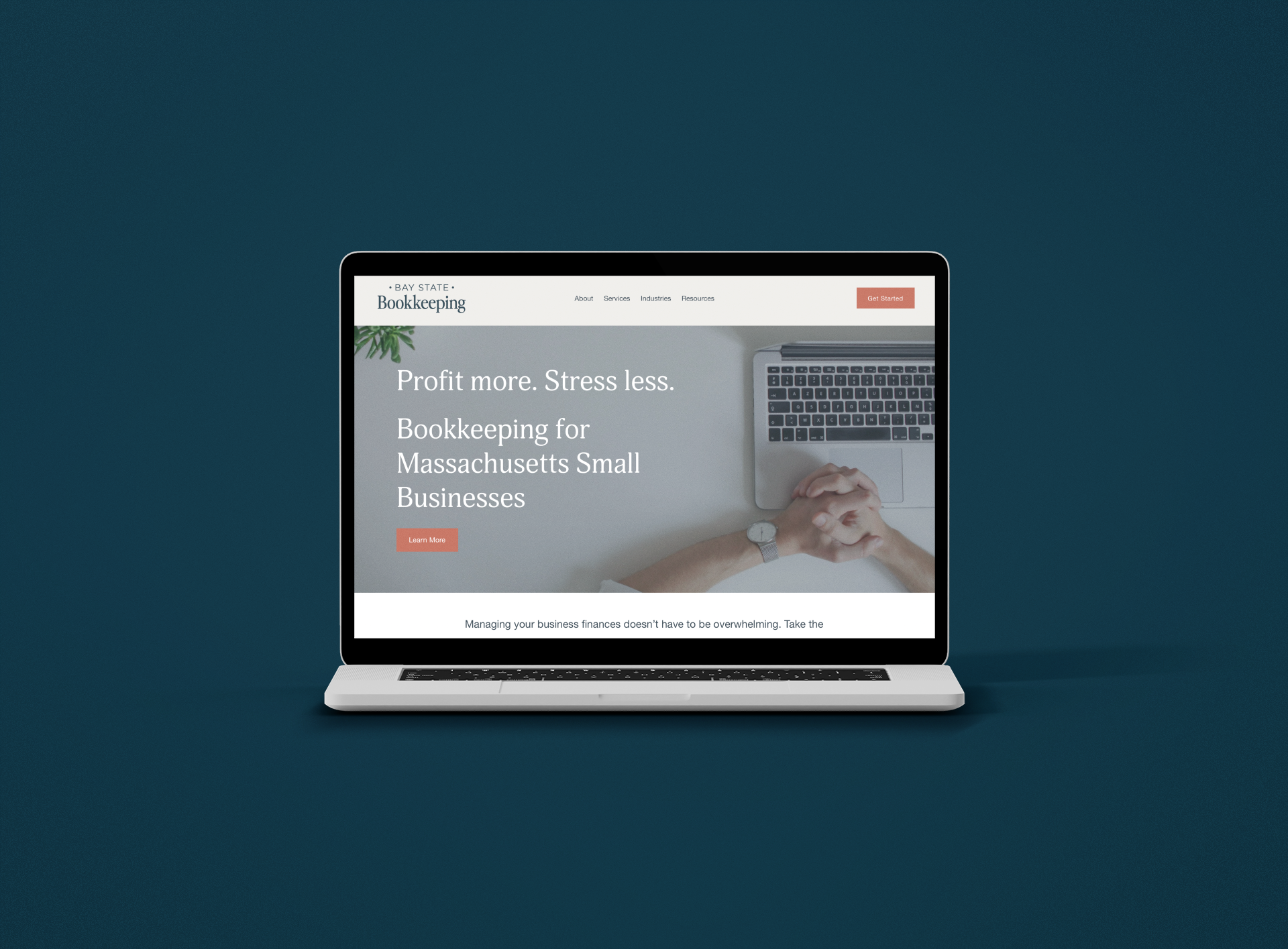
Nijal started Bay State Bookkeeping with two goals: to help other small business owners get their finances under control, and to eventually build a business that gave him the freedom to work from anywhere. As a digital nomad, he wanted his work to travel with him and bookkeeping, done well and delivered remotely, was the perfect fit.
In his first year, he built his own brand and website on WordPress and focused his energy where it mattered most: getting in front of people. He joined networking groups, got involved with his local chamber of commerce, and let his work speak for itself. Referrals came in. The business grew. The DIY site did its job. It gave him an online presence and a place to send people.
But getting him started was about as far as it went. Over the course of that first year, his website only brought in one legitimate client inquiry… and a flood of spam. For a business that was otherwise gaining real momentum, his website was the one part of his business that wasn't pulling its weight.
When Nijal reached out to me, he was asking for a one-page website. Clean, professional, something that looked the part. But as we worked through my discovery and strategy process, a much clearer picture emerged. We wanted to make sure his expertise was impossible to overlook, that potential clients understood the real impact a great bookkeeper has on a growing business, and that he had a place to share the knowledge his clients already relied on him for.
What we built together was a five-page site: a homepage, a dedicated about page that brought Nijal’s story and personality to life, developing clarity around each of his three packages including who they’re for and what problems they solve, a blog to build long-term SEO and showcase his expertise, and a separate contact page with reCAPTCHA protection to put an end to the spam problem once and for all.
The DIY site got him started. The new site was built to grow with him.
When Your Credentials Outgrow Your Website: An Executive Coach's Story
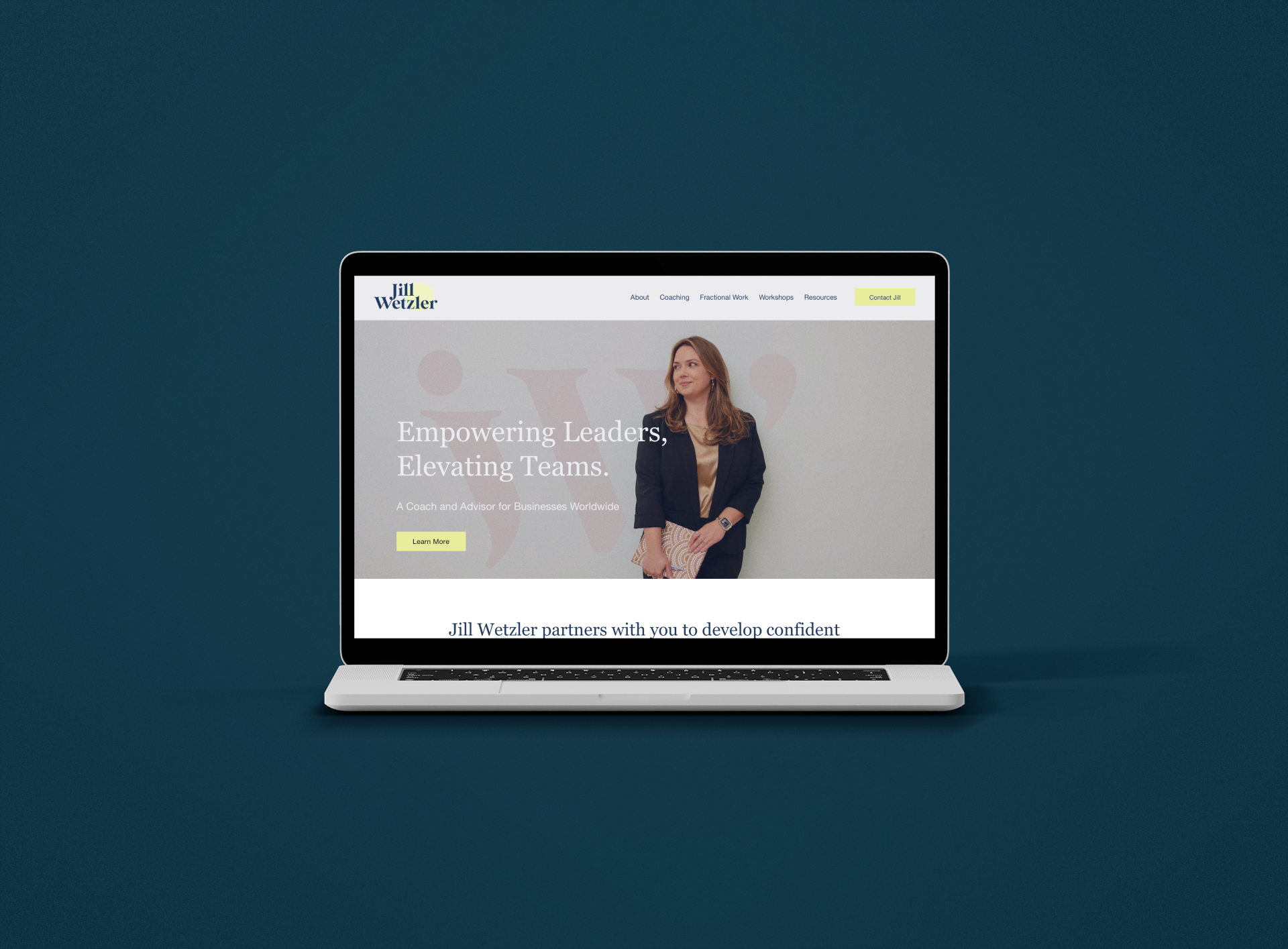
Jill brought twenty years of experience as a technology leader, advisor, and executive coach to her business launch. She had led engineering teams at some of Silicon Valley’s fastest-growing companies. Her credentials were exceptional. Her results spoke for themselves. And when she stepped out on her own, she did what many business owners do in the early days: she built a DIY brand and website to get herself online and focus on the work.
About a year in, Jill began landing larger, higher-profile clients. The kind of clients whose first move is to look you up before they ever get on a call. And what they found when they did didn’t match the calibre of the person they’d been referred to. Her DIY materials had served their purpose, but they were no longer doing her justice. For someone operating at Jill’s level, the gap between her expertise and her online presence had become impossible to ignore.
We started from the ground up. Brand strategy, identity design, and website design. That level of strategic work gave us the space to go deep: clarifying exactly who Jill’s ideal clients are, defining her distinct areas of work with precision, and building a brand identity that reflected the expert she had always been.
The result was a seven-page website with dedicated service pages for each area of her work, a blog to build her thought leadership over time, and a cohesive brand presence that positions Jill exactly as she should be, as one of the most experienced and capable people in her field.
The tipping point for Jill wasn’t that her DIY site stopped working. It’s that her business had grown into something her DIY site was never built to hold. That’s one of the most common and most overlooked signs that it’s time to make the switch.
What Actually Changes When You Work With a Professional Designer
Making the switch isn’t just about getting a prettier website. Here’s what a professional designer brings that a template simply can’t:
Strategy before design: A good designer starts with your business goals, your ideal client, and your positioning before a single visual decision gets made. The design follows the strategy, not the other way around.
Messaging that converts: Your copy and your design work together to guide visitors toward taking action. This is a skill set that takes years to develop and it’s one of the biggest differences between a site that looks good and a site that works.
A site built around your specific business: Templates are built for everyone, which means they’re optimized for no one. A custom site is structured around your exact services, audience, and goals.
SEO built in from the start: Not added on as an afterthought, but built into the structure, the copy, and the technical foundations of the site from day one.
Time back: You stop spending evenings and weekends trying to fix things that aren’t working and start spending that time on the work you’re actually good at.
How to Know You’re Ready to Make the Investment
If you’re still on the fence, here’s a simple way to think about it. Ask yourself these questions:
Is my website costing me clients I should be winning?
Does my site reflect the level of work I’m actually delivering?
Am I spending time on my website that I should be spending on my business?
Have I raised my prices or evolved my offer but my site still looks the same?
Do I feel confident sharing my website with a potential dream client?
If you answered yes to more than one of these, the question isn’t whether to make the switch, it’s when. Because every month you spend sending potential clients to a site that undersells you is a month of lost opportunity you can’t get back.
Not Sure Where Your Site Stands? Start With a Brand Audit.
If you’re not quite sure whether your DIY site is still serving you or quietly holding you back, a brand audit is the clearest way to find out. It gives you an honest, outside perspective on what’s working, what isn’t, and exactly what to prioritize.
No guesswork. No overwhelm. Just clarity on where you are and a clear path to where you want to be. Find out what a brand audit includes.
Or if you already know you’re ready to make the move, I’d love to hear about your business.
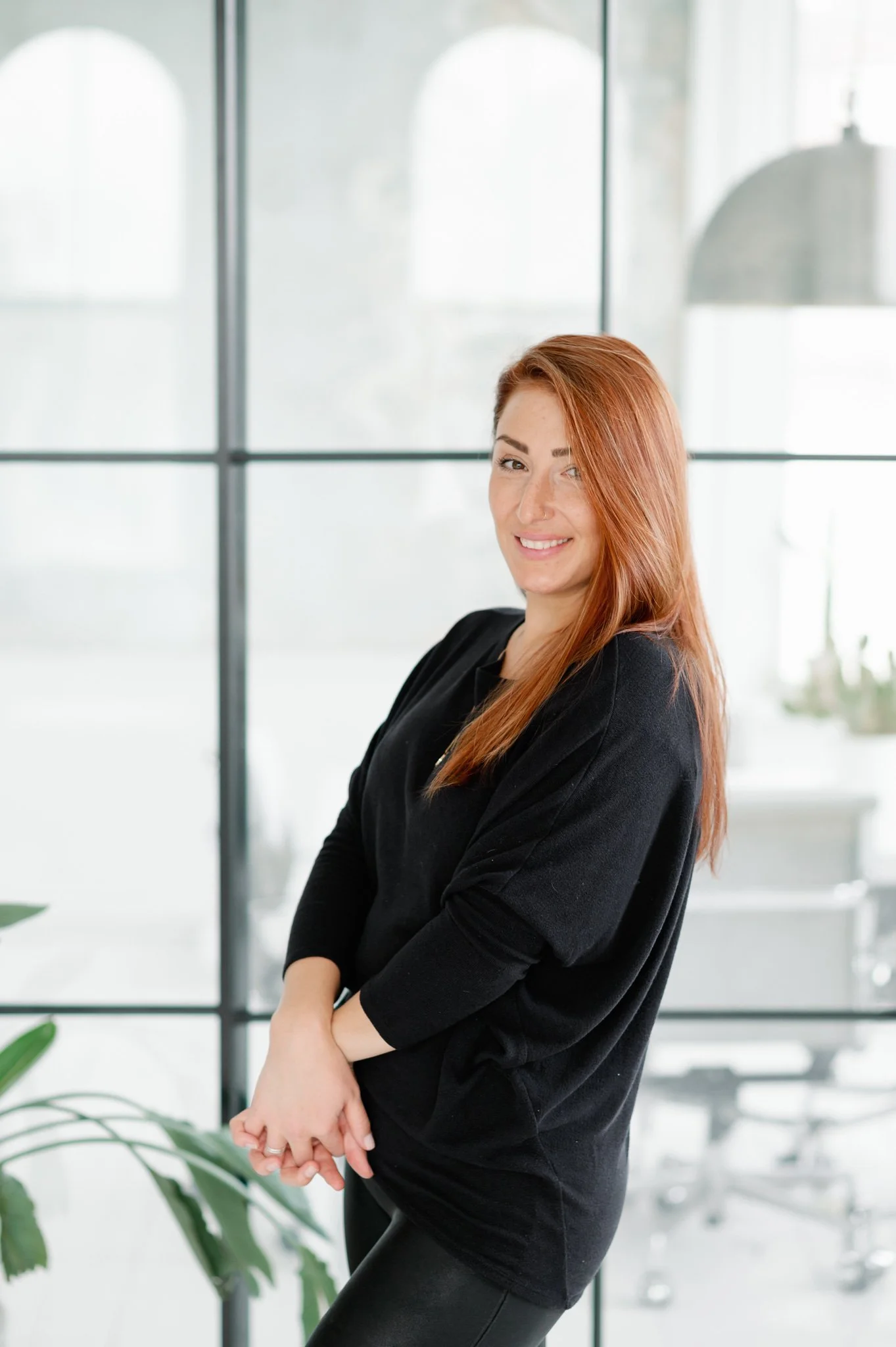
Bev Yeager is the founder of The Design Wonder Studio, a Boston-based design studio specializing in brand strategy and website design for coaches, consultants, speakers, and small businesses. She started her business from scratch ten years ago and brings that firsthand experience to every client she works with. Learn more about Bev or book a free consultation.
